











Our skin is exposed to various external factors every day, sunlight being one of the most important. Excessive sun exposure has harmful effects on our skin. Fortunately, there is a natural weapon that can help us combat sun damage: vitamin C. In this article, we will discuss the role of vitamin C in protecting against sun damage and why it is important for healthy skin.
"Vitamin C plays a crucial role in the formation of collagen, a protein that firms the skin and helps reduce visible signs of aging"
Contents
Vitamin C and the skin
Vitamin C, also known as ascorbic acid, is an essential nutrient that plays an important role in maintaining healthy skin.
Vitamin C is a powerful antioxidant that neutralizes free radicals. Radicals are molecules that are created by exposure to harmful UV radiation.
Free radicals can damage skin cells, leading to premature aging, wrinkles, and dark spots.
Vitamin C provides protection against sun damage:
Vitamin C is not an SPF and does not protect you from the sun, but it does inhibit skin damage caused by exposure to ultraviolet light.
There are 3 reasons for this:
Antioxidant properties
Vitamin C acts as an antioxidant and helps reduce the harmful effects of free radicals. By neutralizing free radicals, vitamin C reduces oxidative stress in skin cells and minimizes damage caused by UV radiation.
Collagen production
Vitamin C is also essential for the production of collagen, a protein that maintains skin structure and elasticity. Exposure to the sun can lead to the breakdown of collagen, resulting in looser skin and more visible wrinkles. By stimulating collagen production, vitamin C helps the skin stay firmer and younger.

Skin repair
Sun damage can lead to inflammation and redness of the skin. Vitamin C has anti-inflammatory properties and helps soothe and repair the skin after sun exposure. It can also help reduce hyperpigmentation and even out the complexion.
How to use Vitamin C?
To get the most out of the benefits of vitamin C, you can take in more vitamin C in 3 ways.
-
Diet: Make sure your diet contains enough vitamin C by eating foods such as citrus fruits, berries, kiwis, peppers, dark leafy greens, and broccoli.
-
Skincare: Vitamin C can also be applied topically to the skin in the form of creams, serums, or lotions. When choosing a vitamin C product, it is important to pay attention to the concentration of vitamin C and its stability. Products with a higher concentration and the right formulation can be more effective in combating sun damage.
-
Supplementation: In addition to a healthy diet, you can choose a vitamin C supplement.
Vitamin C supplement
- A high-dose vitamin C supplement
- Contributes, among other things, to a healthy immune system
- Helps care for the skin from within
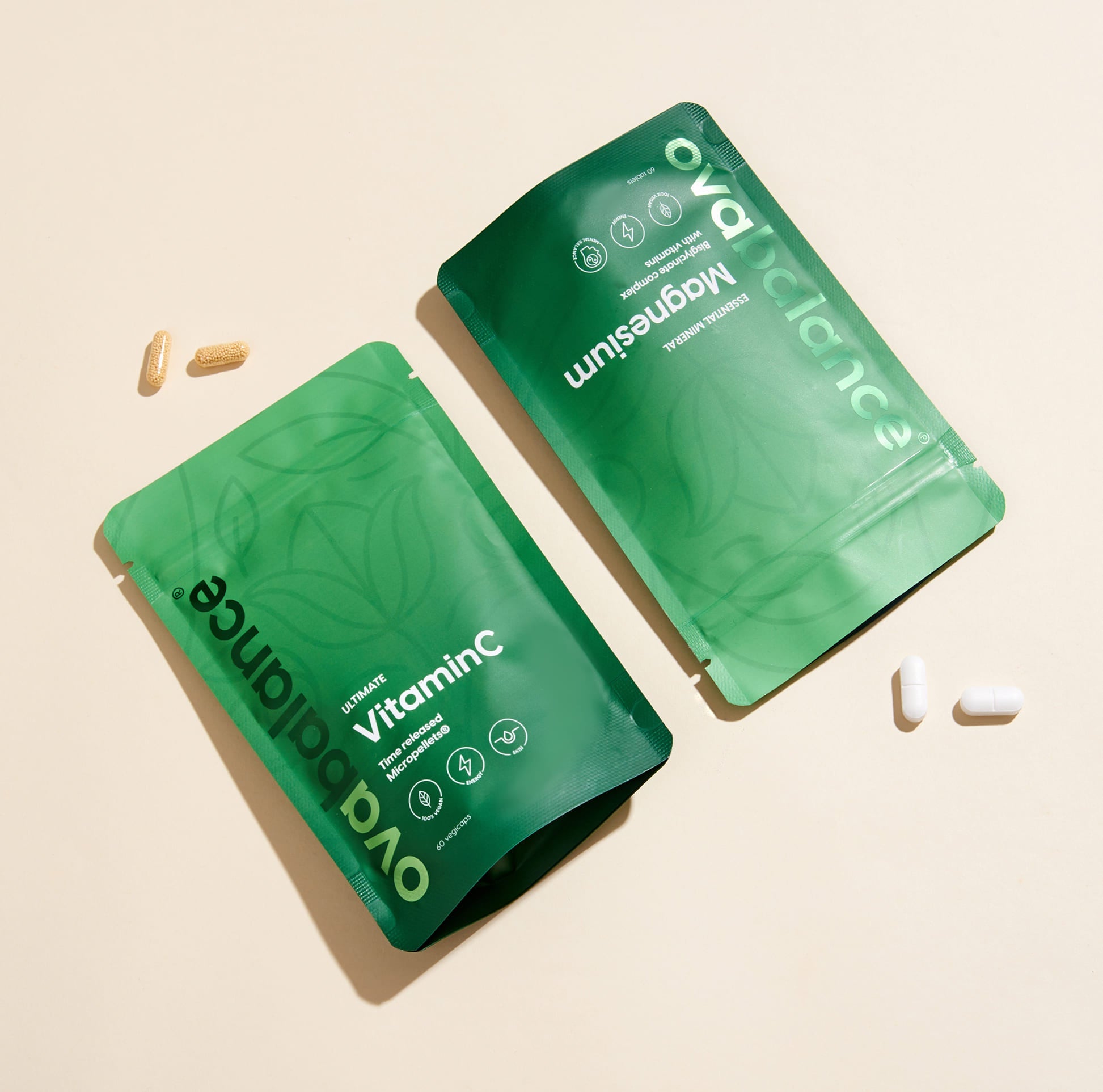
Ovabalance Ultimate Vitamin C is a supplement in the form of hundreds of small “beads” in a capsule. These so-called Micropellets ensure that the vitamin C is gradually released in the body. This allows the active ingredients to be gradually released from the Micropellets over a longer period of time.
Also interesting to read