












Have you been sleeping less lately and suddenly feeling extremely hot at the strangest times? Could it be hot flashes? Do you also experience hot flashes and sweating at night, and do you feel perhaps a little more irritable than usual? They could very well be the first signs of perimenopause.
But what exactly are the signs of perimenopause, besides changes in your menstrual cycle? Read everything you need to know to prepare for the period of hormonal change ahead.
---
"Perimenopause is a natural process in every woman's life"
Contents
What is perimenopause and when does it begin? The first signs of perimenopause Irregular menstrual cycle Hot flashes and night sweats Changes in mood and emotional well-being Difficulty sleeping Weight gain and changes in fat storage Vaginal dryness and reduced libido How do you know you are in perimenopause? Confirming perimenopause What can you do about the first symptoms of perimenopause? Lifestyle changes Dietary adjustments that can help Use of supplements Stress management and relaxation techniques Also interesting to read
Perimenopause is a natural phase in every woman's life. During this period, your menstrual cycle changes and your hormones gradually find a new balance.
It often begins with subtle signs, such as an irregular cycle, poorer sleep, or hot flashes.
Because these first changes can sometimes be vague, it is not always immediately clear that you are entering perimenopause. That is precisely why it is helpful to know which signs are common, so you can better understand what is happening in your body.
Do you recognize symptoms such as hot flashes, night sweats, irritability, or more restless sleep?
Then many women choose extra support during this phase through nutrition, lifestyle changes, and a targeted supplement.
OvaBalance MenoFormula was specially developed for women during perimenopause and menopause. The formula contains black cohosh and hops, among other ingredients. Black cohosh helps with hot flashes, night sweats, and irritability.* Hops promote sleepiness and help you sleep well.*
What is perimenopause and when does it begin?
Perimenopause consists of several phases,
The first phase is often called perimenopause. During this period, the hormonal fluctuations responsible for many of the changes you may notice begin.
Perimenopause usually begins between the ages of 40 and 45.
Menopause itself is the last period. On average, this happens around the age of 51. If you have not had a period for a year, you will only know in retrospect that you have gone through menopause.
This is followed by the postmenopause period. During this phase, hormones stabilize at a lower level. Many symptoms gradually subside.
Common signs around perimenopause include changes in menstruation, hot flashes, night sweats, and poorer sleep.
If you are under 40 and think you are in perimenopause, always contact your general practitioner.
The first signs of perimenopause
You can recognize perimenopause by certain changes in your body and the discomforts that accompany them. But these changes can also sometimes be associated with other situations. For example, fatigue or irritability can also be caused by stress or everyday worries.
To help you figure out whether your discomforts or physical changes are consistent with perimenopause, we have listed the common first signs of perimenopause below.

Irregular menstrual cycle
One of the first signs of perimenopause is an irregular menstrual cycle. Periods may come closer together or be further apart. One month you may have heavy bleeding, while the next you may barely menstruate. Sometimes you may not have a period for months, only to unexpectedly start menstruating again.
The discomforts you experience during your period may also change from how they used to be.
These changes and irregularities are caused by fluctuations in estrogen and progesterone hormone levels.
Hot flashes and night sweats
Hot flashes are one of the most recognizable signs of perimenopause. These are intense sensations of heat that come on suddenly. You often experience the heat of a hot flash in your face, neck, and chest. They can occur at any time of day. Night sweats are actually a similar phenomenon, but hot flashes occur while you are sleeping. These hot flashes and sweating are caused by changes in your hormone levels, which affect the regulation of your body temperature.
Are you looking for support with hot flashes, night sweats, or more restless sleep?
Then MenoFormula is often a great first choice. The formula contains black cohosh and hops. Black cohosh helps with hot flashes, night sweats, and irritability.* Hops promote sleepiness and help you sleep well.*
You are more emotional or easily irritable
Many women experience mood swings during perimenopause, such as irritability. These emotional changes are caused by hormonal fluctuations that affect certain substances in your brain. Women who previously suffered from premenstrual syndrome (PMS) often find that their emotions become more intense during perimenopause.
You sleep less deeply or wake up more often
Many women find during this phase that they have more difficulty falling asleep, wake up more often, or sleep less deeply. This can be due to hot flashes, night sweats, restlessness, or a changing sensation in your body.
A good night's sleep is especially important during this phase. Poorer sleep during the day can also affect your energy, mood, and resilience.
Weight gain and changes in fat storage
Due to the hormonal changes in perimenopause, the way your body stores fat also changes, particularly around the abdominal area. Despite a healthy diet and sufficient exercise, it can be harder to maintain your weight. This is because your metabolism slows down and your body handles insulin differently.
Changes in skin or hair
In some women, the condition of the skin or hair also changes during perimenopause.
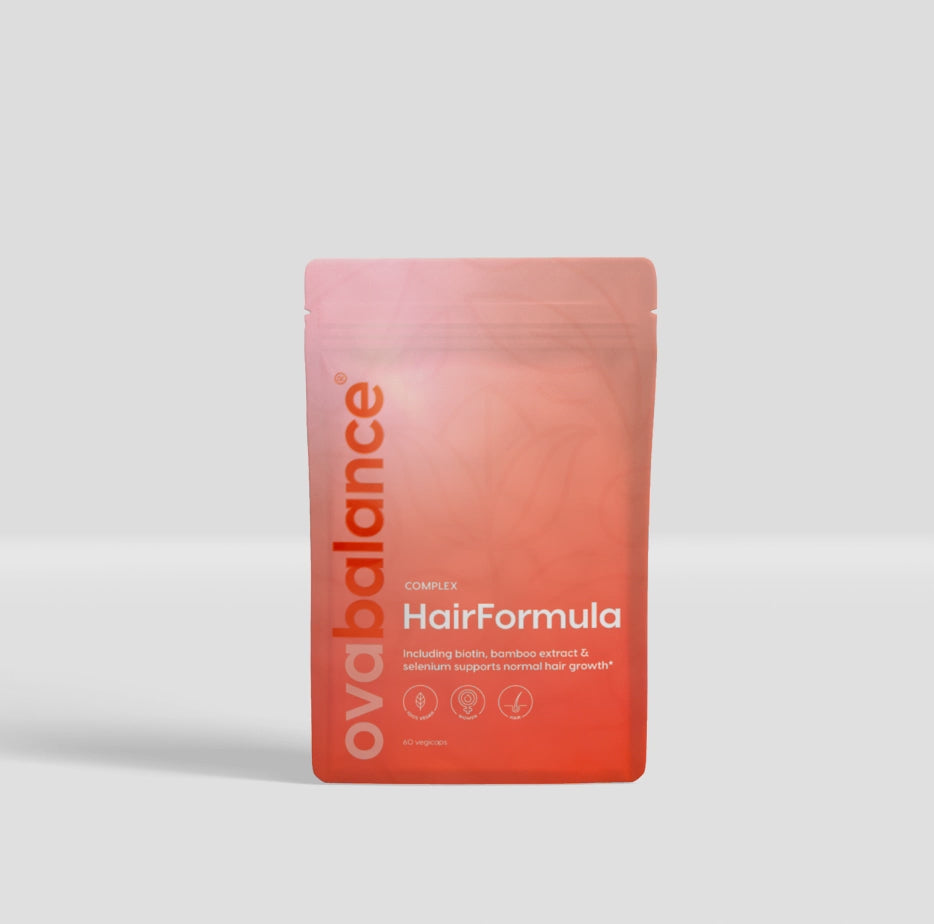
Your hair may feel less full, or you may see / notice that more hair is falling out.
Do you notice that your hair is changing especially during this phase?
Then a targeted hair formula can be a great addition to your daily routine.
Vaginal dryness and reduced libido
A common, but less discussed sign of perimenopause is vaginal dryness. This is caused by a decrease in estrogen, which leads to reduced lubrication of the vaginal tissue. This can cause discomfort during sex and be accompanied by a reduced libido. Many women also notice a decrease in their sexual desire due to hormonal changes.
Maca is 1 of the substances in MenoFormula and has been loved for centuries for hormonal fluctuations and is good for libido*.
*Health claim evaluation is ongoing
How do you know you are in perimenopause?
Perimenopause progresses differently for everyone, and the symptoms can vary in intensity and duration. Although the discomforts described above are often an indication that you are in perimenopause, it is not always easy to confirm this yourself.
Confirming perimenopause
Contact your general practitioner if:
you are under 40 and think you are in perimenopause
your symptoms strongly affect your daily life
you have bleeding again after not having had your period for more than 1 year
.
The GP can determine menopause after a conversation. Blood tests are often of little use. The values shown by a hormone test in your blood are often not reliable enough to determine whether you are in menopause or not.
What can you do about the first signs of menopause?
Menopause can sometimes feel like an overwhelming new period in your life in which a lot changes in your body. It may be good to know that you can have some influence on it with the help of your lifestyle and diet.
Lifestyle changes
By making small adjustments to your daily routines, you can already notice a lot of difference:
- Move enough: It doesn't have to be extreme, but for example walking, yoga or dancing can help you keep your energy and mood up.
- Pay attention to your sleep hygiene: Your sleep may be considerably affected by the hormone fluctuations that come with menopause. Many women sleep more restlessly or have more difficulty falling asleep when they go through menopause. A nice evening routine could help you with this. But also, for example, preparing dry pajamas next to your bed, so you no longer have to look for them when you wake up sweating in the middle of the night.
- Listen to your body: Accept that your energy is sometimes different than before, and adjust your daily schedule if possible. For example, allow yourself some rest moments more often during the day.
Dietary adjustments that can help
What you eat plays a big role in how your body deals with the hormonal changes of menopause. This is what you can pay attention to:
- Choose a healthy and varied diet. Make sure your daily nutrition is rich in vegetables, whole grain products and proteins.
- Don't forget the healthy fats either. You can get them from, for example, avocado, nuts and fatty fish.
- Don't eat too much sugar. Hormone fluctuations sometimes trigger extra cravings for sweet things. So pay attention that you don't start snacking too much.
- Be careful with alcohol and caffeine. Avoiding stimulants such as alcohol and caffeine contributes to a more stable hormone balance.
Use of supplements
In addition to healthy nutrition and exercise, natural supplements can offer extra support during menopause.
A vitamin D3 and K2 supplement is important for supporting the bones. But for example also supplements with chasteberry and hops can support you.
 OvaBalance MenoFormula, contains among others chasteberry and hops and is specially developed for menopause and menopause*.
The chasteberry helps with hot flashes, night sweats* and irritable feelings* and the hops promote sleep readiness and help you to sleep well*
*Health claim awaiting approval by the European Commission.
Stress management and relaxation techniques
Stress sometimes increases the discomforts you experience from menopause. That is why relaxation techniques help you to continue feeling good. Try, for example, breathing exercises, meditation or mindfulness.
This helps you to let go of built-up tension. Also a massage or a walk in nature can contribute to your mental health. Find out what works best for you to stay relaxed.

Want to know more about menopause?
Do you want to know more about menopause? Which vitamins and nutrition your body needs during this phase of life and which supplements can support you, read in the following articles:
"Vitamins during menopause"
"Nutrition during menopause: What your body needs"
Do you have a personal question? Feel free to send us a message.
The provided information does not replace the information provided by a GP and cannot be seen as medical personal advice.