









Inositol is an endogenous substance naturally present in the body and in various foods. Although often referred to as a vitamin-like substance, it is not officially classified as a vitamin because the body can produce inositol itself.
Inositol comes in various forms, with myo-inositol and D-chiro-inositol being the most well-known. These forms also occur naturally in the body.
What foods contain inositol?
Inositol is naturally found in various foods, including:
- citrus fruits
- beans and legumes
- whole grains
- nuts and seeds
DCI is found in much smaller quantities in foods, such as:
- Chickpeas;
- Buckwheat;
- Carob pods;
- And pumpkin seeds
Types of inositol
There are 9 types of inositol, each with a slightly different composition. The most well-known form is myo-inositol. As a result, the terms inositol and myo-inositol are often used interchangeably.
What is myo-inositol?
Myo-inositol is the most common form of inositol in the body. This form occurs naturally in various tissues and cells.
Myo-inositol is often used in supplements and is available in powder and capsule form.
What is D-chiro-inositol (DCI)?
D-chiro-inositol, often abbreviated as DCI, is another form of inositol. The body can convert myo-inositol into D-chiro-inositol through natural processes.
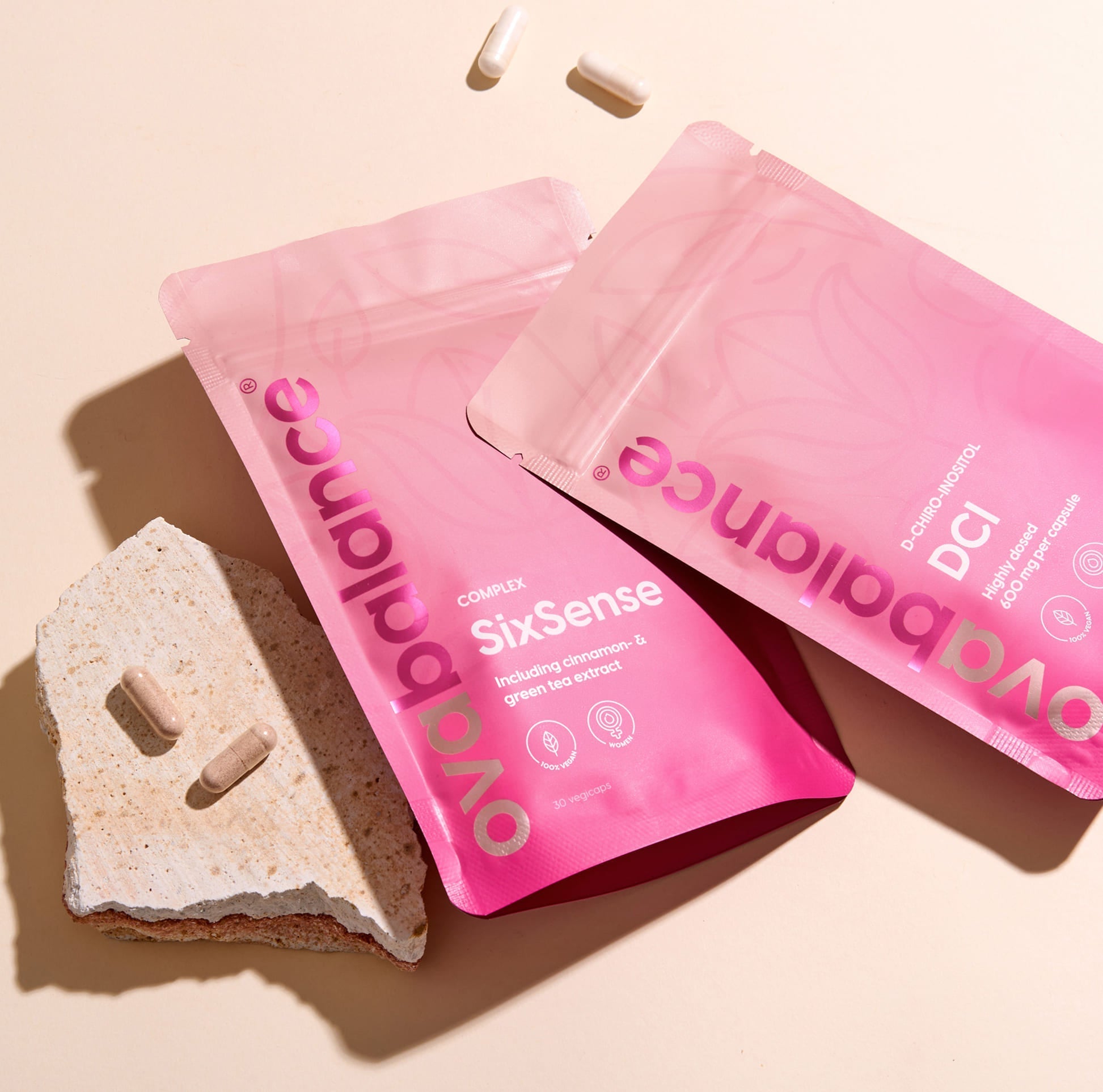
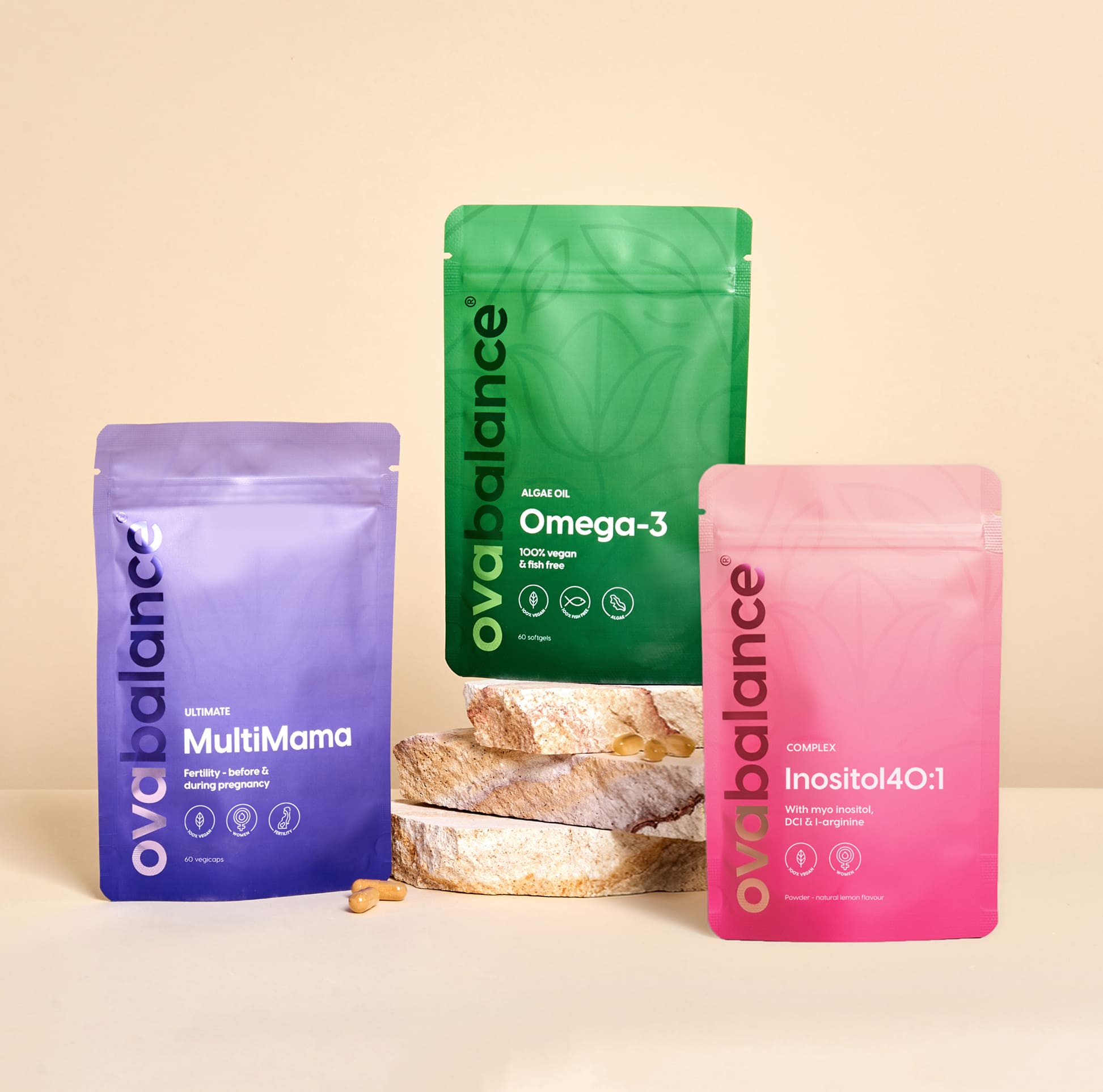
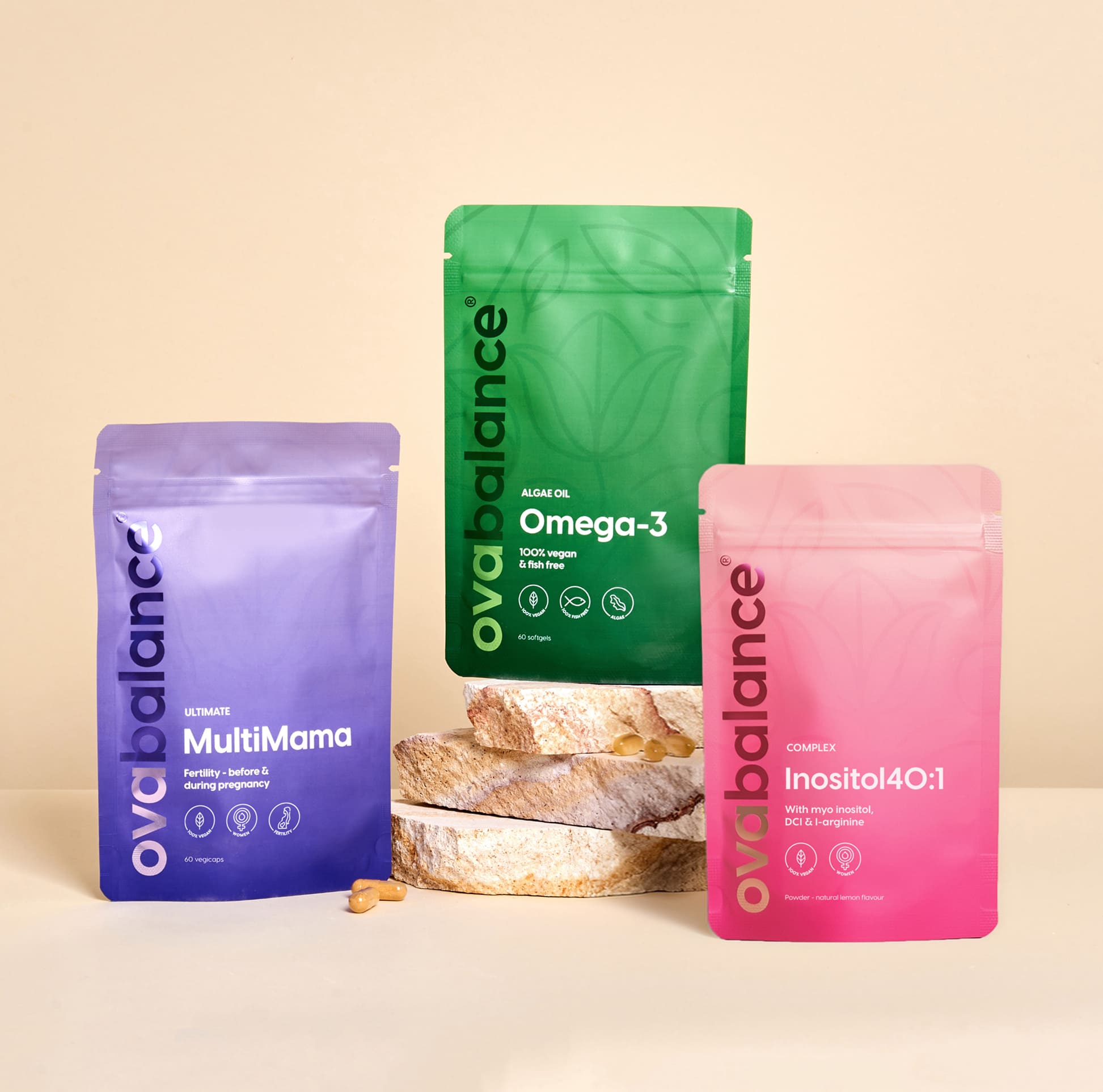
Ovabalance D-chiro-inositol contains 600 mg of DCI. This is 7.5 times more than in the Inositol 40:1 complex. Ovabalance DCI is the most superior DCI product with a purity of at least 98%.

Due to legislation regarding health claims, we are unfortunately unable to provide complete information about this food supplement. Do you have questions? You can always easily contact us!