












Stress, everyone knows it and everyone experiences it at times. In fact, research shows that three out of four people experience moments of moderate or high stress every month.
That stress is a threat to public health is no longer in doubt. But how do we recognize stress and what can we do in times of stress?
Contents
What is stress?
Stress is actually nothing more than tension. Is tension therefore also bad for you? No! You even need a healthy dose of tension to function properly. It makes you alert and on your toes. Ready to act well. Not bad for an important presentation or an exam.
Stress only becomes unpleasant when you experience moments of stress more often and they get in your way.

Stressful situations
Maybe you notice that you become a bit forgetful, that you are restless or have tension in your body. Perhaps you react a bit more irritably or emotionally. These are all signs that you are dealing with stress. Normally, stress also subsides when the cause of the tension is removed. Just think of an exam. That is a moment of stress for almost everyone. Is the exam over and do you have a good feeling about it? Then your feelings of tension will also vanish like snow in the sun.
What you should try to prevent is that your stress hormones do not have time to break down sufficiently before the next moment of stress presents itself. Moment after moment of stress can cause the level of cortisol (the stress hormone) in your blood to rise. So relax in time and give your body time to de-stress.
De-stressing: how do you do it?
It is easier said than done: relax. When you are busy, it is very difficult to actually switch off your head. Still, you can prepare yourself for a busy period.
For example, make a list of activities that calm you down. When stress is a bit too high, take out your list and choose an activity to calm down again.
Taking good care of yourself through healthy food and enough exercise also helps you stay zen. Think of a few easy and healthy dishes you can fall back on or freeze a number of fresh meal soups. This way, the temptation of a quick (bad) snack is less great.
Supplements during times of stress
Magnesium supplementCertain vitamins also help in stressful situations. Do you know, for example, that you are sensitive to stress? Then take a look at the following supplements that you can use well as a complement to your healthy diet:
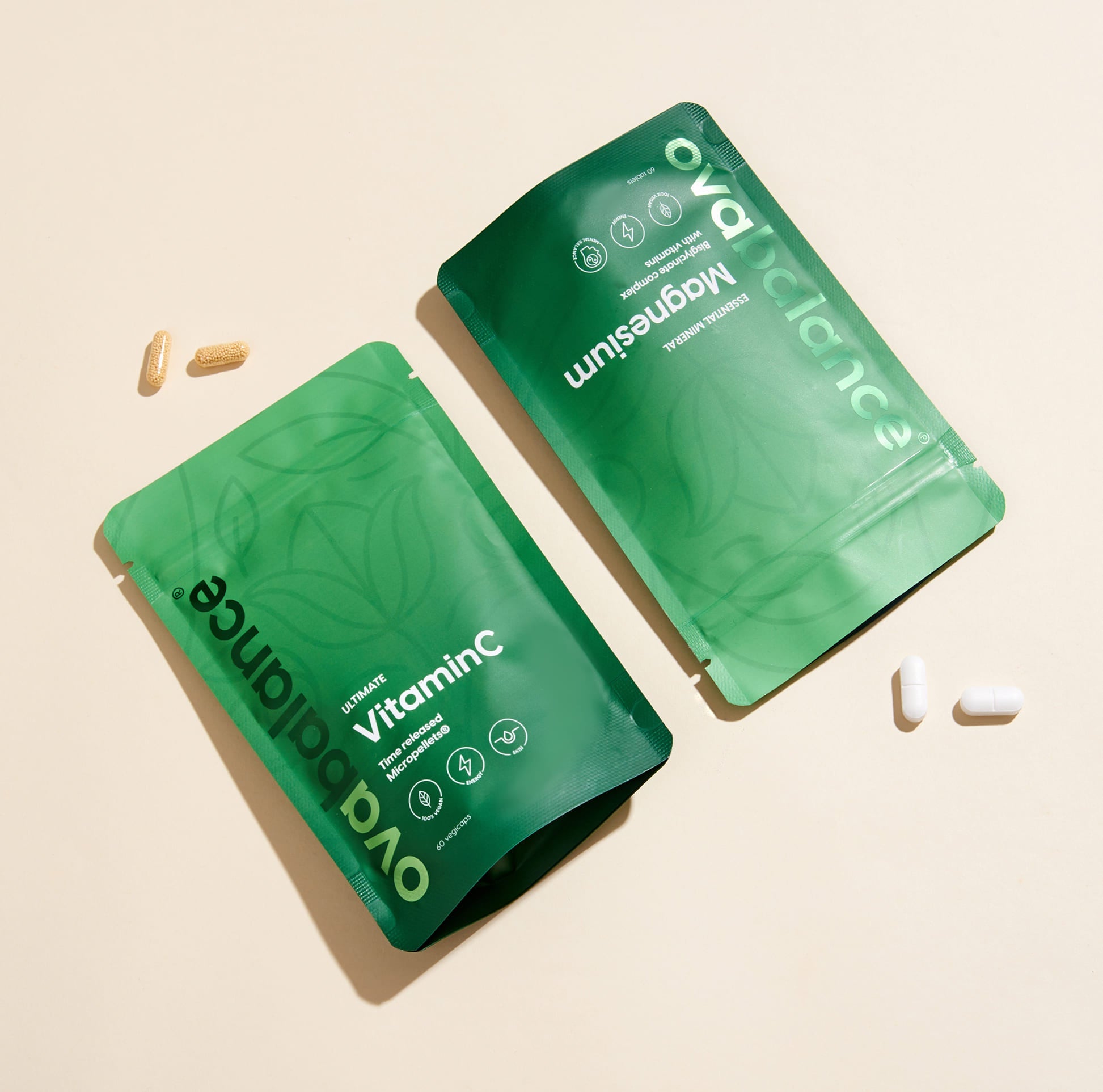
Magnesium supplement. Magnesium is a real powerhouse. It supports your energy level and helps with fatigue. Nice, because people who experience moments of stress will also be more tired. Furthermore, Magnesium is good for your mood, concentration and memory.
The more physical or mental stress, the more magnesium you consume. And with a lower magnesium level in your cells, you are more sensitive to stress. This is how you end up in a vicious circle.
Vitamin B12 melt tablets. Vitamin B12 contributes to a healthy immune system, supports your mood and contributes to your mental resilience. It also supports your ability to learn, your concentration and your memory. And it contributes to the reduction of fatigue. So vitamin B12 is also a nutrient that you need to keep at a good level.
Zinc supplement. Zinc contributes to the normal resistance to stress. And it supports you at the moment when stressful situations do occur. Zinc helps with mental pressure and exertion and keeps your mind clear.
By the way, zinc is also good for normal hormonal balance, it contributes to the maintenance of normal testosterone levels in the blood. And zinc also contributes to normal fertility and reproduction. A side benefit, so.
Vitamin C supplements. Vitamin C helps with fatigue and contributes to mental resilience. No unnecessary luxury in a stressful situation.
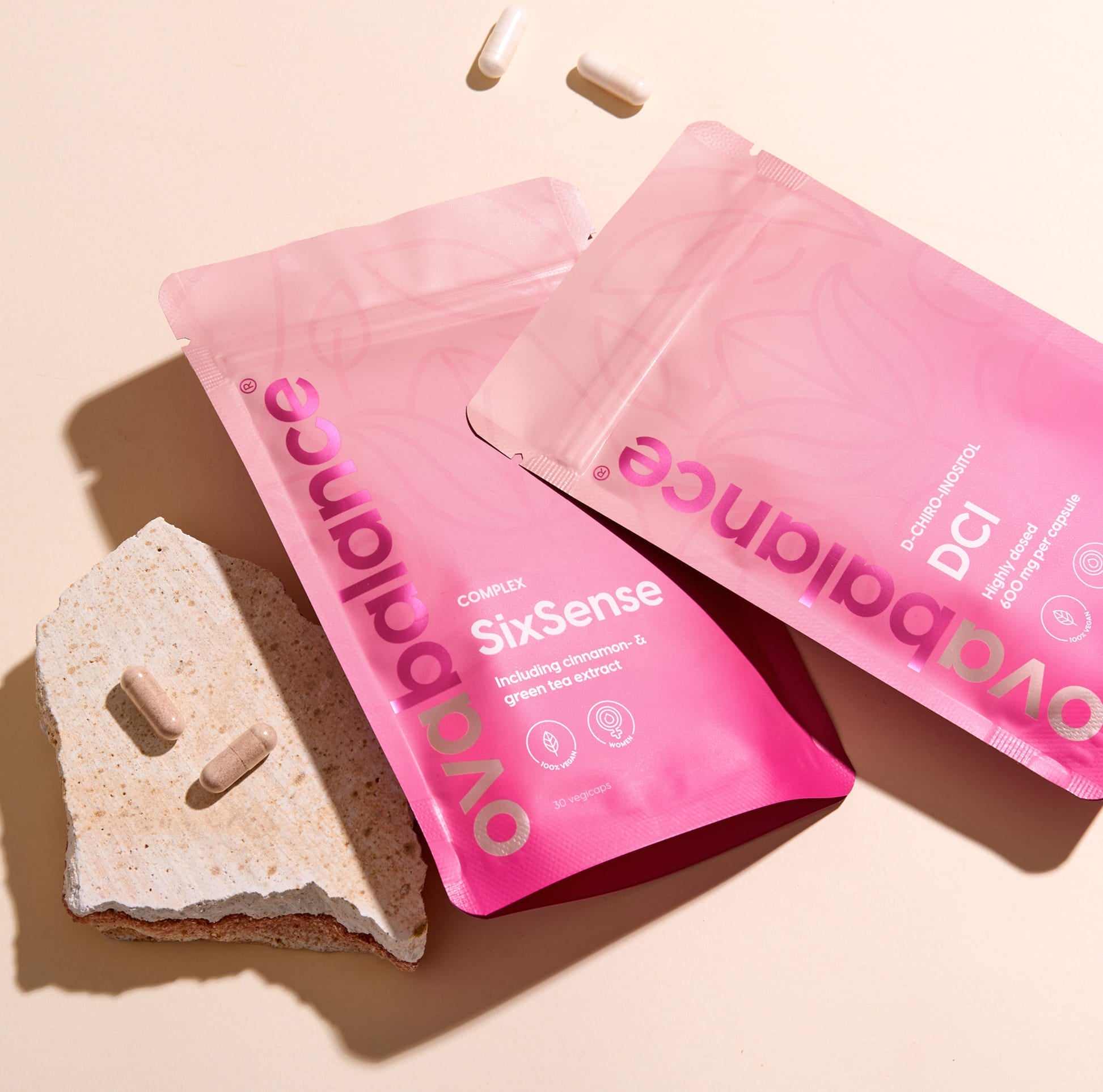
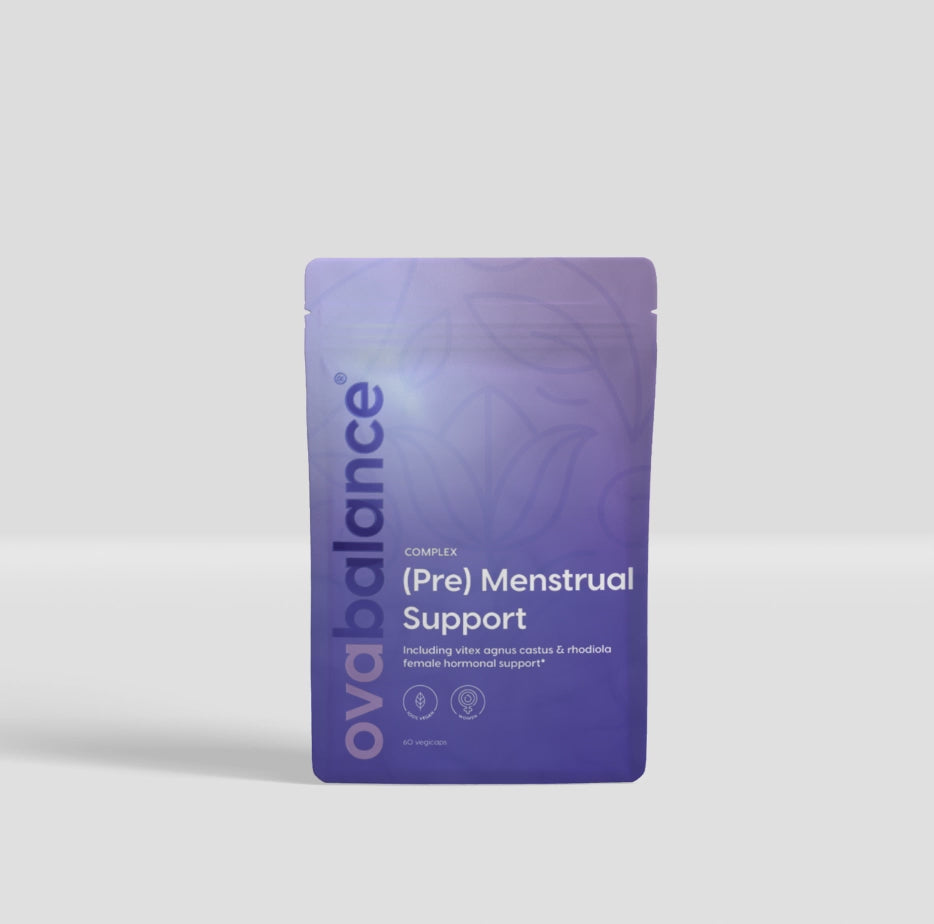
All supplements from Ovabalance are vegan, so you can use them without guilt.